

Sizing Made Simple
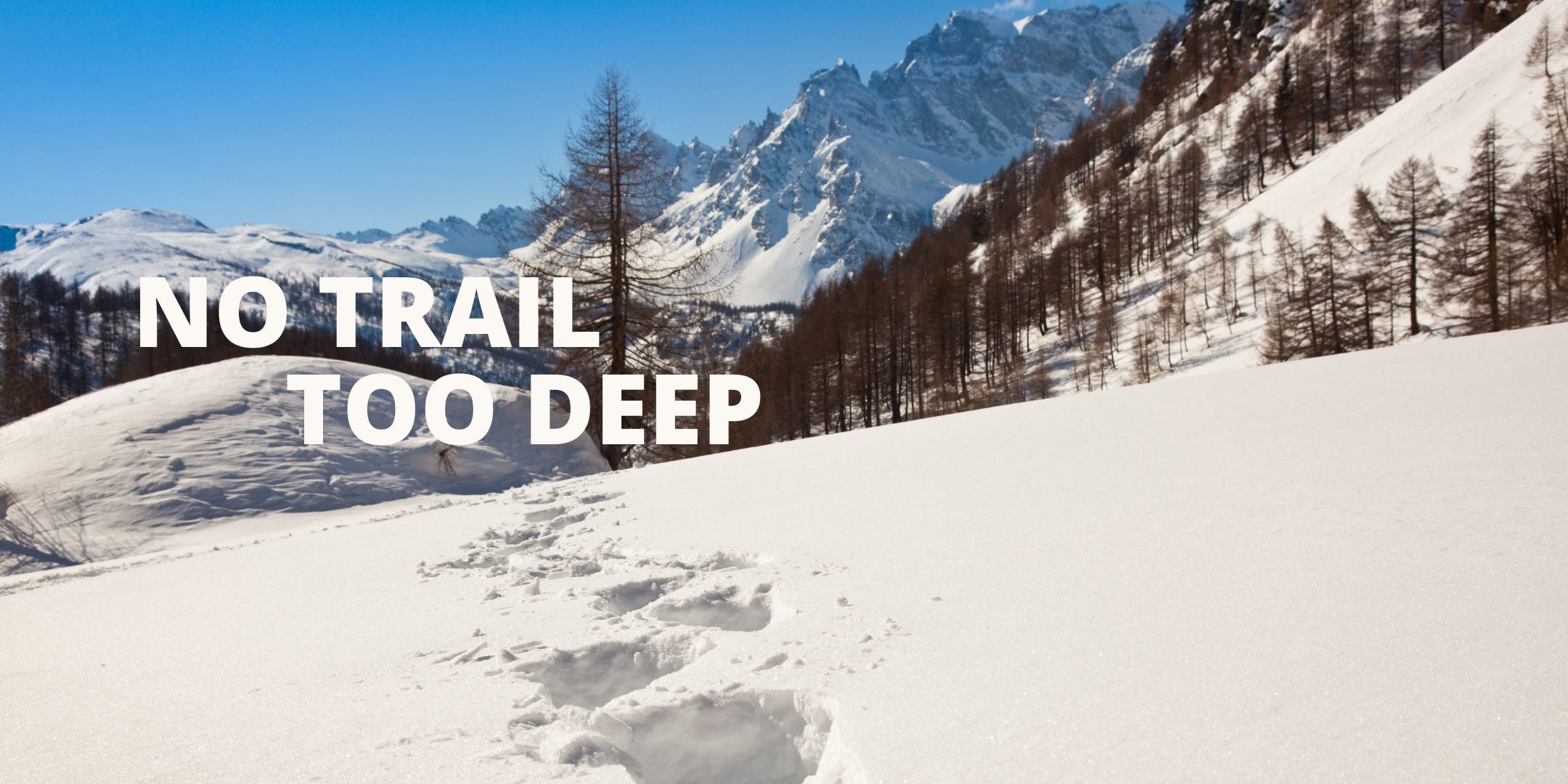
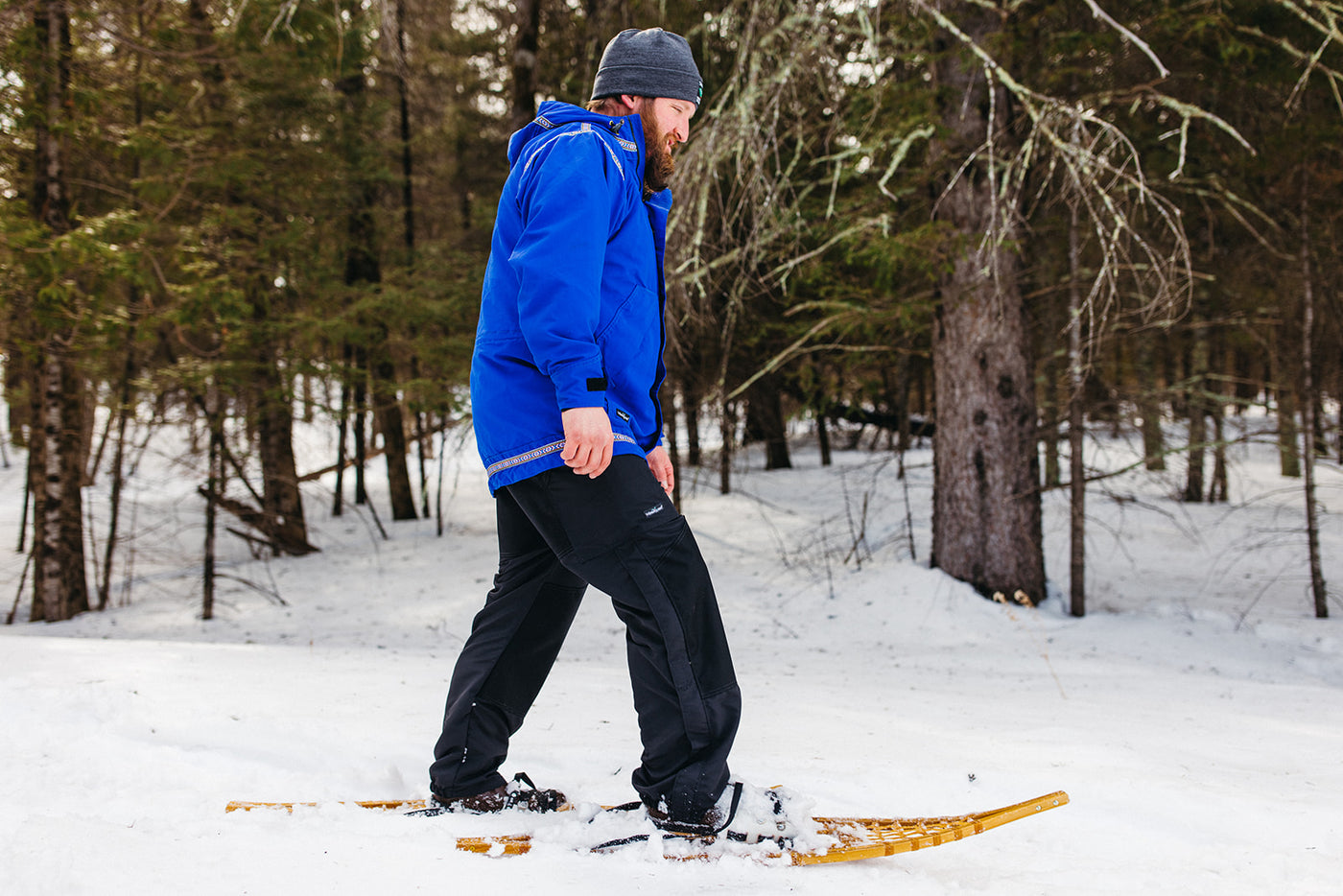
When it comes to snowshoes, one size does not fit all. The type of snowshoe that is best for you depends on what you will be doing most of the time: if it's primarily local parks or Nature Centers on groomed snowshoe trails, then a smaller footprint is required; if you prefer to "break trail" out in open areas or in the woods where the only footprints you see are the four-legged kind, or you enjoy winter camping, then flotation is key.
The general rule is: smaller snowshoes are easier to walk on. They're also better for short legs, denser snow, and packed trails (even if new snow covers the old tracks). If close to a size break, choose larger snowshoes if you have long legs; carry a heavy pack; regularly break trail in deep snow or soft powder; or have light, fluffy snow cover.
For more information on snowshoe sizing click here.
SURFACE AREA = FLOTATION
Flotation is the key to snowshoeing.
If you need to get where you're going, you need a snowshoe that will do the job.
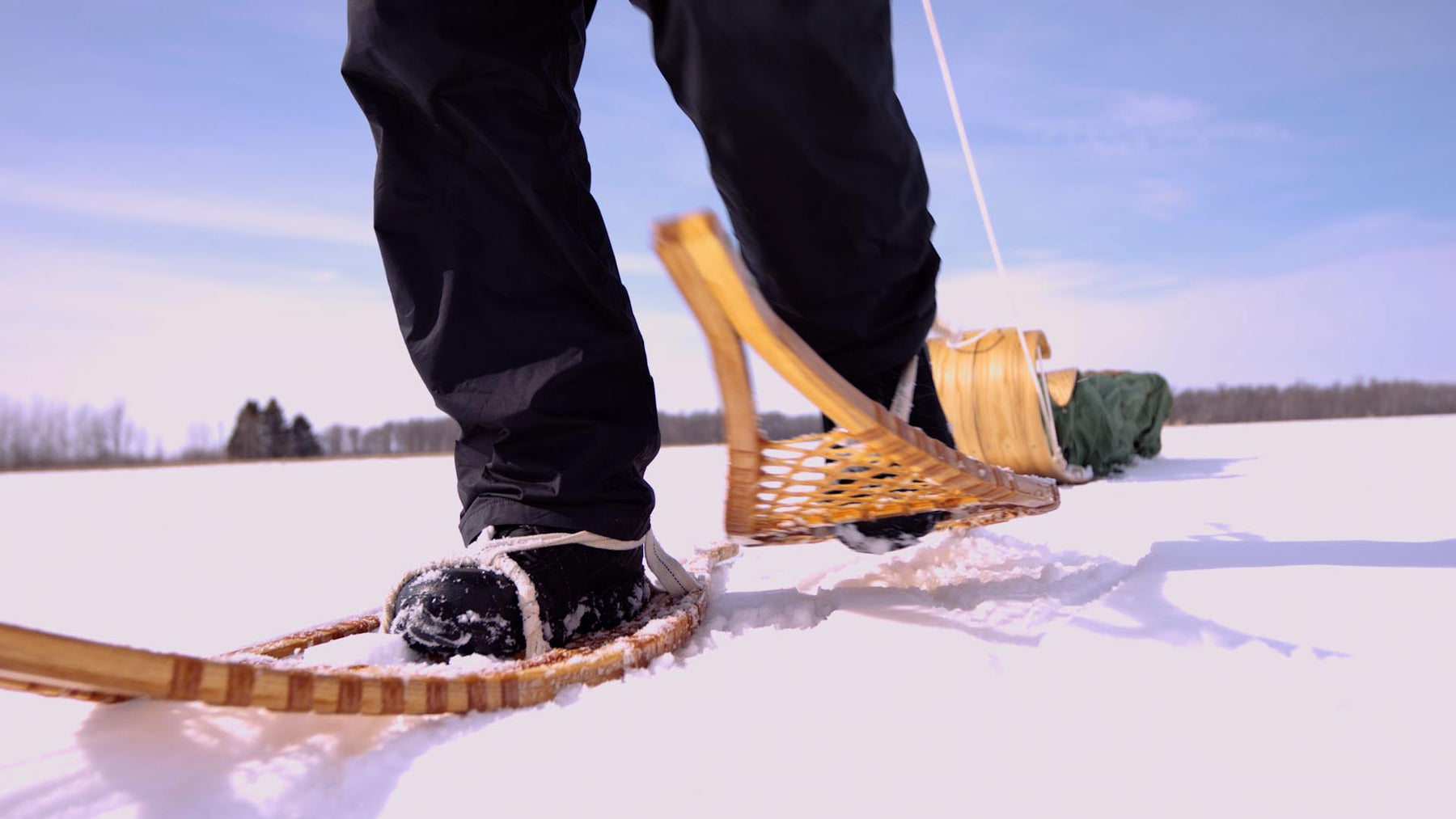
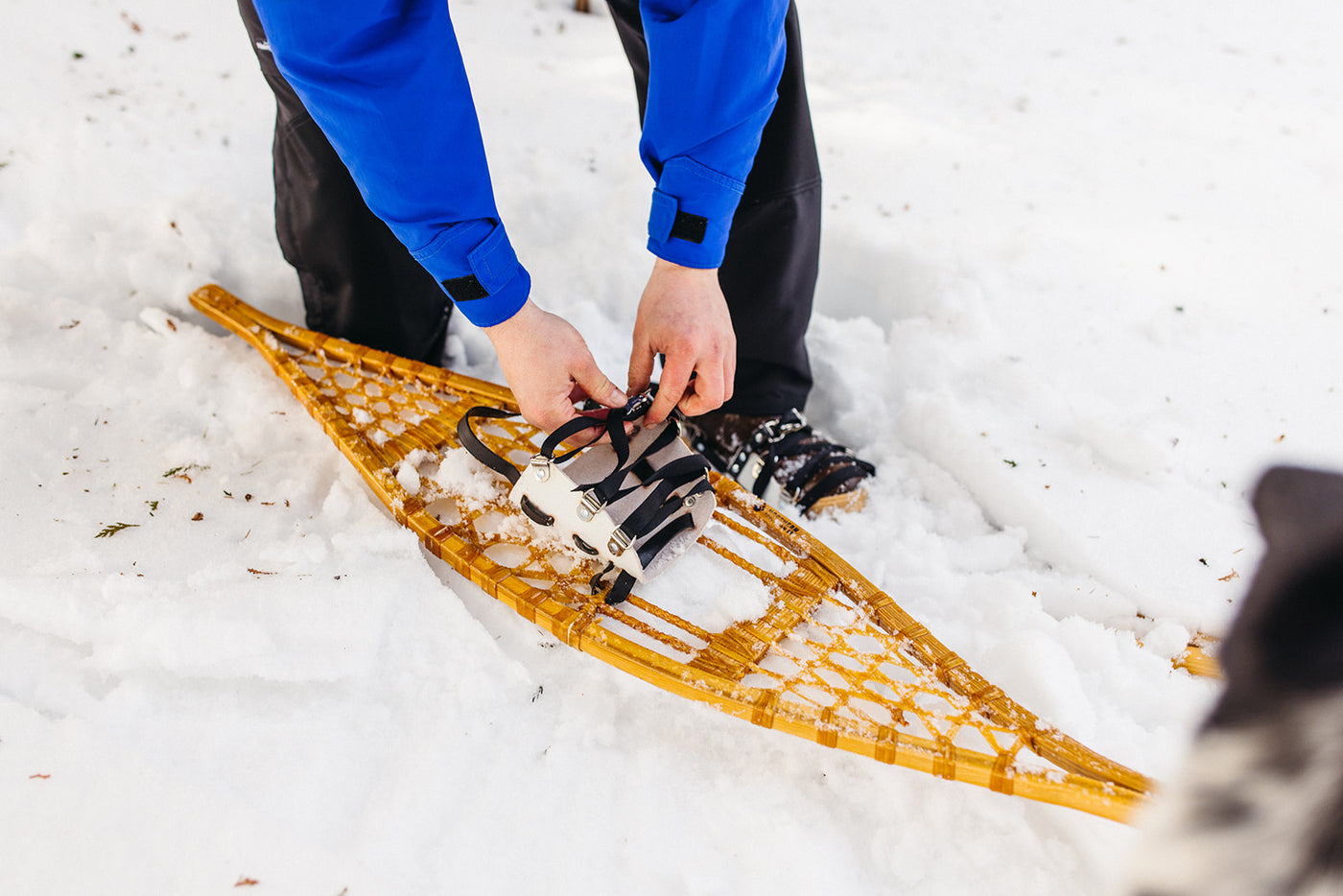
And if you want to go fast, then you'll need something with a lot of surface area. We know it sounds counterintuitive—you'd think that the more weight you have on your feet, the slower you'd go. But it's not true! What matters is how much surface area you have in contact with the snow when you step down. The more surface area, the higher you'll float above the ground and be able to propel yourself forward more quickly.
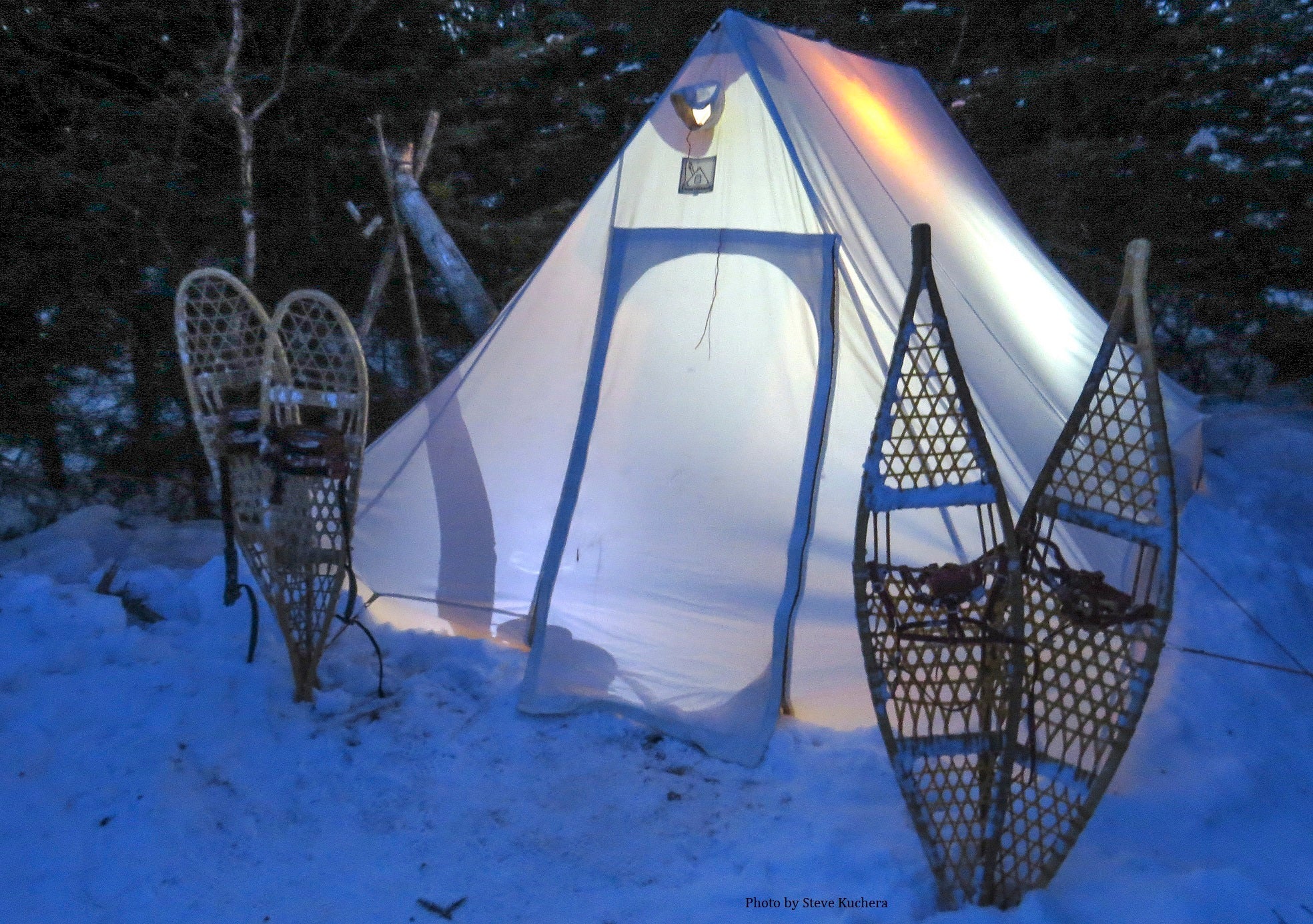
Is there a way to enjoy winter's beauty in all its untrammeled glory without relying on someone else's path? The answer is yes! You can easily take to the wilderness and let our snowshoes keep you afloat.
I just wanted to send you a note of thanks for your fantastic service and beautiful product. I am glad to finally be in your shoes, look forward to putting them through their paces. I don’t see many people, but those I do see will hear about you. Keep up the good work.
I have received my package safe and sound. They are gorgeous they look like rawhide with the varnish. Thanks for such an amazing product. Now I need more snow I guess I could venture 50 miles north into the Adirondack mountains.
I ordered green mountain bear paws. Jim at Beaver Creek recommended you. He said you were top notch. I already have Ojibwa, made with Jim. No classes are being held. I'm excited to have an option for various trails or none, condition of snow, terrain. The snowshoes were in perfect condition and look absolutely amazing. I'll be sure to tell whoever asks that they are hand-made by elves. Thank you so much, and thank those elves for helping.
Thanks for the assistance in acquiring two more pair of your high-float 12”-by-60” Alaskan snowshoes! Your Alaskan and Cree shoes have become indispensable on our remote, long-range, dead-of-winter SAR operations in the Great Lakes region as well as up along the Arctic Ocean.
Subscribe to our newsletter
Stay up-to-date with our latest promotions, new products, and sales directly in your inbox.